
Effeciently Defecient
The majority of consumers receive their food through a grocery store or supermarket. This form of curation allows most people to avoid thinking too much about the source of food. This can be dangerous for people with allergens, or honestly anyone. Grocers and Food Producers are part of a huge assembly line with little supervision as long as the final product gets to the consumer. There are so many problems with industrialized food agriculture, from animal cruelty, to pollution and destruction of the environment. Industrial markets also make neglectful or almost criminal mistakes when it comes to sending out contaminated food and usually get away from any repercussions.
Would You Rather. . .
According to
Philip Lymbrey, chief executive of Compassion In World Farming (CIWF), "Every day there is a new confirmation of how destructive, inefficient, wasteful, cruel and unhealthy the industrial agriculture machine is. We need a total rethink of our food and farming systems before it's too late." Everything we produce although claimed as safe and effecient is leaving an awful environmental crisis. Our food factories are the source of so much waste. Most of the produce grown in America is used to feed animals for slaughter. So even when the animals are kept in cages to save space, raising them creates the need for arcreage. Our farms also create pollutants that is affecting our fish population creating deadzones in the ocean; places where all marine life is absent due to pollutants caused by farming.
Genetically modified organisms, have neither been “feeding the world” nor reducing pesticide use. The industry has made billions selling farmers (and the taxpayers who subsidize them) flashy tools that have failed to achieve their grandly exaggerated objectives.
Now Onto Some Common Additives To Food!

Caffeine is a naturally occurring compound found in the leaves and fruits of certain plants. Caffeine is found in coffee, black and green tea, cocoa, cola soft drinks and energy drinks. It may also be found in chocolate bars, energy bars and some over-the-counter medications, such as cough syrup and slimming tablets. Guarana (a popular additive in energy drinks) is a natural source of caffeine.

Lactose is a disaccharide. It is a sugar composed of galactose and glucose.What Causes Lactose Intolerance? Lactose is the main sugar in milk and other dairy products. If you have lactose intolerance, you can't digest it well. Lactose intolerance is not curable, but there are many ways to cut your symptoms and feel better.

Phosphates At least 45 food additives contain phosphate. High levels of phosphate increase the risk of death in people with kidney disease and may also contribute to heart disease, bone loss, and other chronic conditions in people who are otherwise healthy. Phosphates, commonly found in fast foods, are also added to products such as flavored waters, iced teas, sodas, meat and chicken products, cereal bars, nondairy creamers, and bottled coffee drinks.
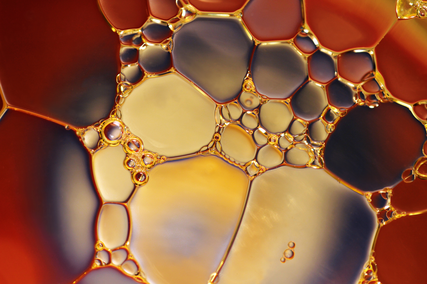
Emulsifiers These ingredients help oil and water mix together in foods and beverages. In one study, healthy mice that had the emulsifiers polysorbate 80 and carboxymethylcellulose added to their diets gained more weight and fat and had worse blood sugar control. In mice with genetic risks for bowel problems, these additives triggered more frequent and severe disease.

Artificial Sweeteners like Aspartame, (E951) more popularly known as Nutrasweet and Equal, is found in foods labeled "diet" or "sugar-free". Aspartame is believed to be carcinogenic and accounts for more reports of adverse reactions than all other foods and food additives combined. Aspartame is not your friend. Aspartame is a neurotoxin and carcinogen. Known to erode intelligence and affect short-term memory, the components of this toxic sweetener may lead to a wide variety of ailments including brain tumor, diseases like lymphoma, diabetes, multiple sclerosis, Parkinson's, Alzheimer's, fibromyalgia, and chronic fatigue, emotional disorders like depression and anxiety attacks, dizziness, headaches, nausea, mental confusion, migraines and seizures.

Common Food Dyes Studies show that artificial colorings which are found in soda, fruit juices, and salad dressings, may contribute to behavioral problems in children and lead to a significant reduction in IQ. Animal studies have linked some food colorings to cancer.

Sodium Sulfites, a preservative used in wine-making and other processed foods. According to the FDA, approximately one in 100 people is sensitive to sulfites in food. The majority of these individuals are asthmatic, suggesting a link between asthma and sulfites. Individuals who are sulfite sensitive may experience headaches, breathing problems, and rashes. In severe cases, sulfites can actually cause death by closing down the airway altogether, leading to cardiac arrest.
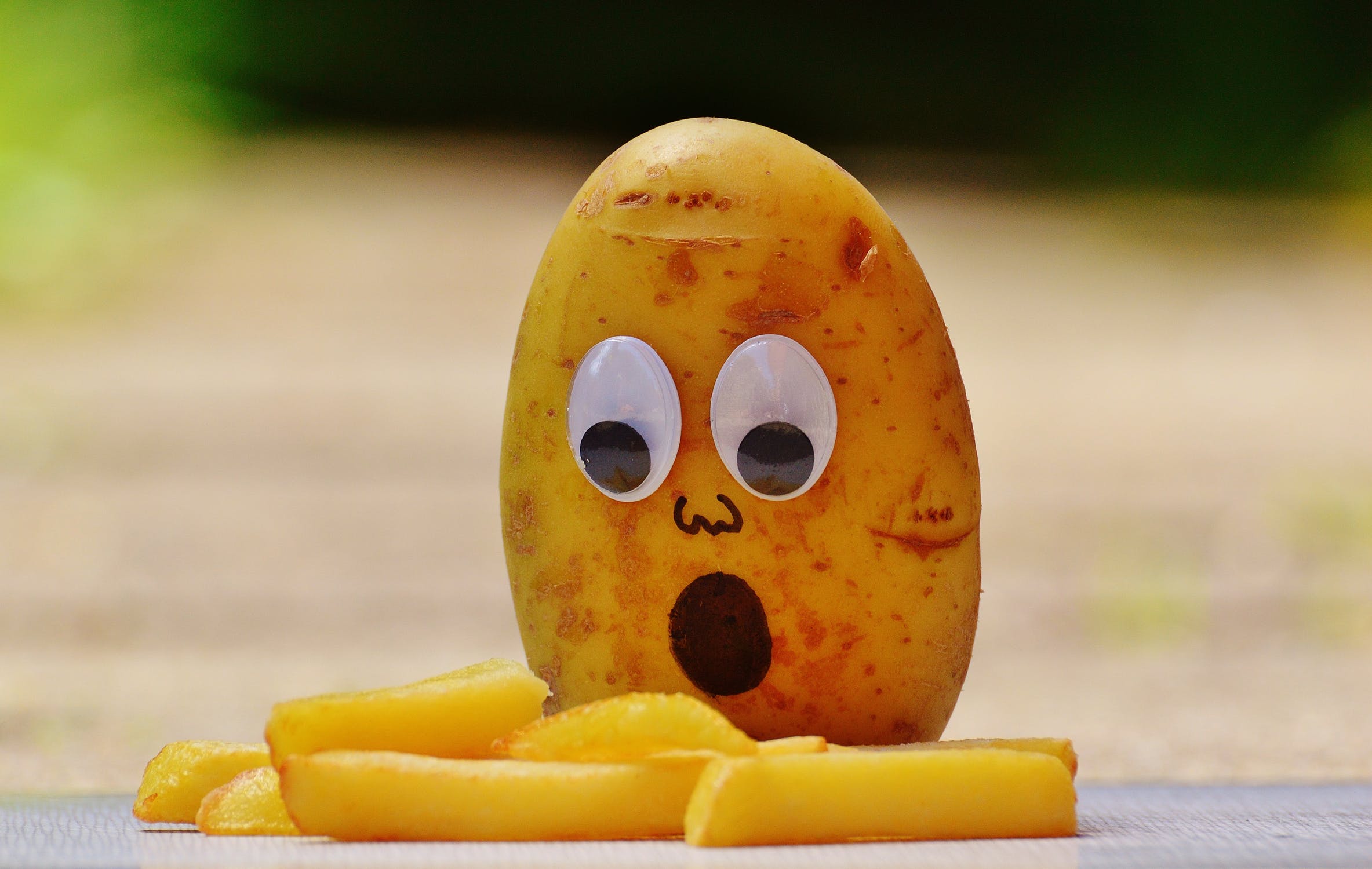
Starch or amylum is a polymeric carbohydrate consisting of a large number of glucose units joined by glycosidic bonds. This polysaccharide is produced by most green plants as energy storage. It is the most common carbohydrate in human diets and is contained in large amounts in staple foods like potatoes, wheat, maize (corn), rice, and cassava.
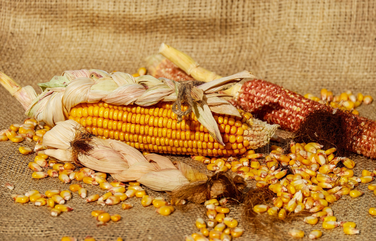
Maize also known as corn, is a cereal grain first domesticated by indigenous peoples in southern Mexico about 10,000 years ago. The leafy stalk of the plant produces separate pollen and ovuliferous inflorescences or ears, which are fruits, yielding kernels or seeds. Maize has become a staple food in many parts of the world, with total production surpassing that of wheat or rice. However, not all of this maize is consumed directly by humans. Some of the maize production is used for corn ethanol, animal feed and other maize products, such as corn starch and corn syrup. The six major types of corn are dent corn, flint corn, pod corn, popcorn, flour corn, and sweet corn.
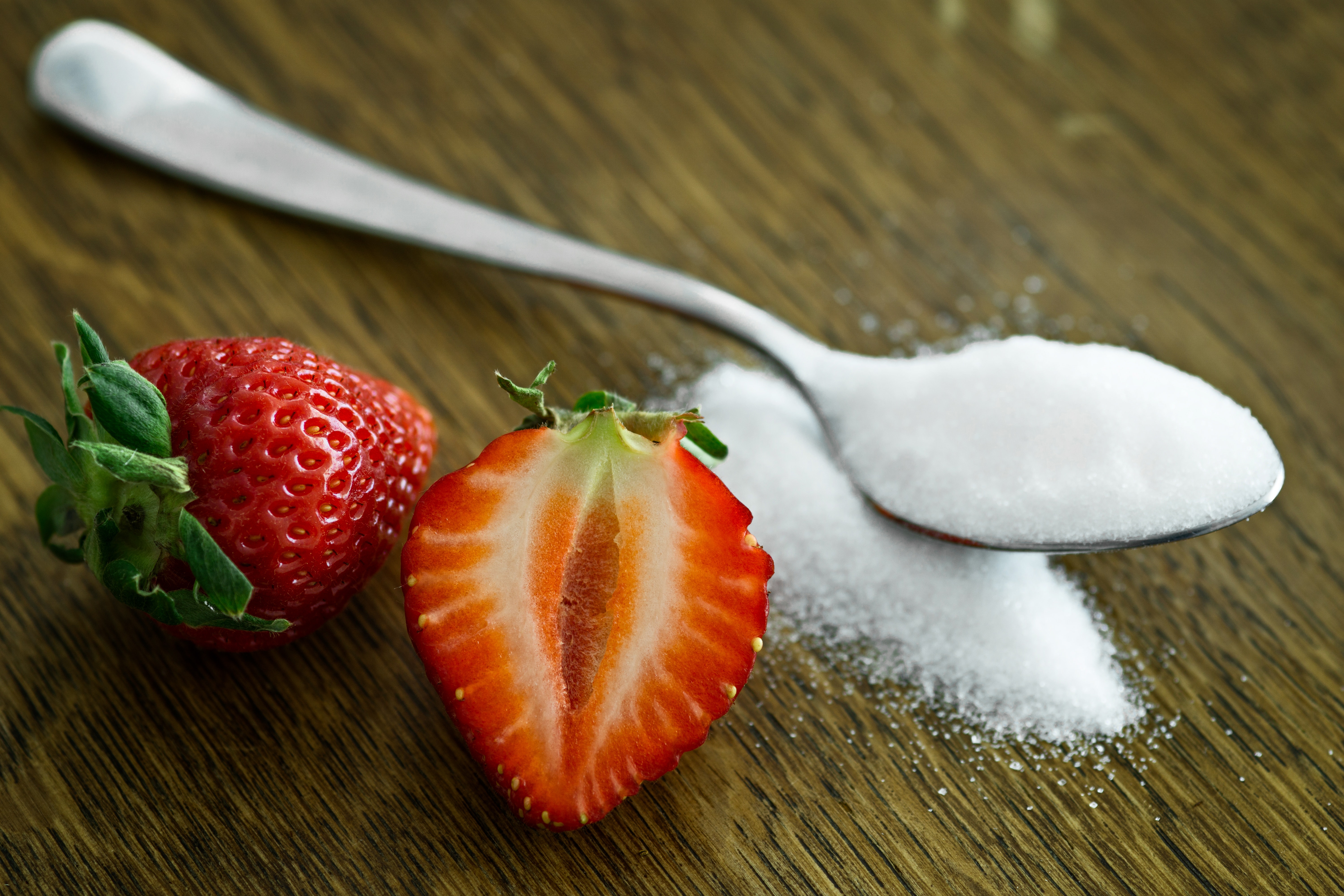
Sugar is the generic name for sweet-tasting, soluble carbohydrates, many of which are used in food. There are various types of sugar derived from different sources. Simple sugars are called monosaccharides and include glucose (also known as dextrose), fructose, and galactose. The "table sugar" or "granulated sugar" most customarily used as food is sucrose, a disaccharide of glucose and fructose. Sugar is used in prepared foods (e.g., cookies and cakes) and is added to some foods and beverages (e.g., coffee and tea). In the body, sucrose is hydrolysed into the simple sugars fructose and glucose. Other disaccharides include maltose from malted grain, and lactose from milk. Longer chains of sugars are called oligosaccharides or polysaccharides. Some other chemical substances, such as glycerol and sugar alcohols may also have a sweet taste, but are not classified as sugars. Diet food substitutes for sugar include aspartame and sucralose, a chlorinated derivative of sucrose.